

Electrical Safety Tips for Parents (Australia)
Keep Your Home Safe, Calm, and Kid‑Proof — Without Losing Sleep
Raising kids is already a full‑time job. Worrying about hidden electrical dangers shouldn’t be part of the daily workload. From curious toddlers and charging cables to power boards and outdoor hazards, electricity is one of the most overlooked risks in Australian homes.
This updated guide cuts through the noise and gives parents practical, real‑world electrical safety tips to help protect children from shocks, burns, and electrical fires — without turning your house into a padded cell.
Why Electrical Safety Matters for Families
Young children explore with their hands, mouths, and zero fear. Combine that with:
- Uncovered power points
- Damaged cords
- Overloaded power boards
- DIY electrical fixes
…and you’ve got a recipe for accidents that are fast, silent, and serious.
The good news? Most electrical injuries in the home are completely preventable with a few smart habits and the right professional support.
Before You Start: Childproofing Is More Than Just Electricity
- Pools and trampolines
- Stairs and balconies
- Cleaning chemicals
- Sharp or falling objects
- Doors, windows, and pets
Top 10 Electrical Safety Tips Every Parent Should Know
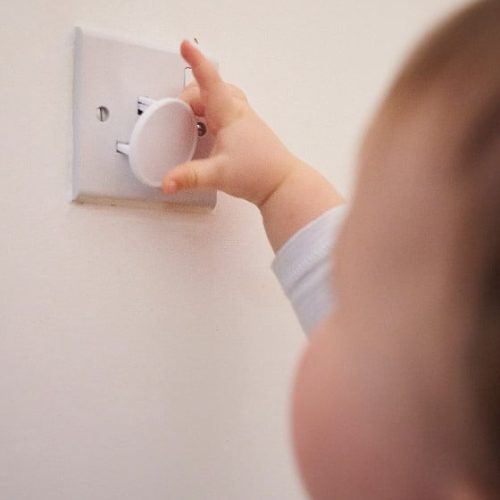
1. Install Child‑Safe Power Point Covers
Unused power points are prime targets for little fingers and metal objects. Fit approved socket covers to prevent children from inserting anything dangerous.
Pro tip: Choose covers that can’t be easily removed by small hands.
2. Never Overload Power Points or Power Boards
- Stop daisy‑chaining power boards
- Call a licensed electrician to install additional power points
3. Check Cords and Cables Regularly
Cables take a beating — crushed behind furniture, chewed by pets, or bent at awkward angles. Even minor damage can expose live wiring.
If you notice:
- Fraying
- Cracks
- Exposed copper
Replace the cable immediately. Damaged cords + kids = accidents waiting to happen.
4. Use Safety Switches and Test Them
- Ensure your switchboard has safety switches installed
- Test them every 3 months by pressing the “T” or “Test” button
5. Don’t Ignore Tripping Fuses or Breakers
If your circuit breakers or safety switches trip repeatedly, they’re doing their job — warning you.
Never “upgrade” a fuse to stop tripping. This can overload wiring inside walls and lead to fires.
Persistent tripping = professional inspection required.
6. Keep Liquids Well Away from Electricity
Water and electricity don’t mix — ever.
If a spill happens near:
- Power points
- Appliances
- Power boards
Turn off the power first. If an appliance gets wet internally, don’t plug it back in until it’s checked by a professional.
7. Teach Kids to Watch for Power Lines
Outdoor play can carry hidden risks. Power lines near trees, ladders, or backyard activities can be deadly.
Safe clearance distances:
- 6.4 metres from overhead lines on poles
- 10 metres from transmission towers
Flying kites? Climbing trees? Always look up first.
8. Stay Away from Electrical Substations
Substations are not playgrounds. Teach children:
- Never climb fences
- Never retrieve balls or pets from substations
If something ends up inside, contact the electricity provider. No exceptions.
9. Educate Your Children Early
Kids don’t need to fear electricity — they need to respect it.
Teach them:
- Not to touch power points or cords
- To report sparks, smells, or damaged cables
- Basic safety awareness appropriate to their age
First‑aid training for parents and older children is also a smart move.
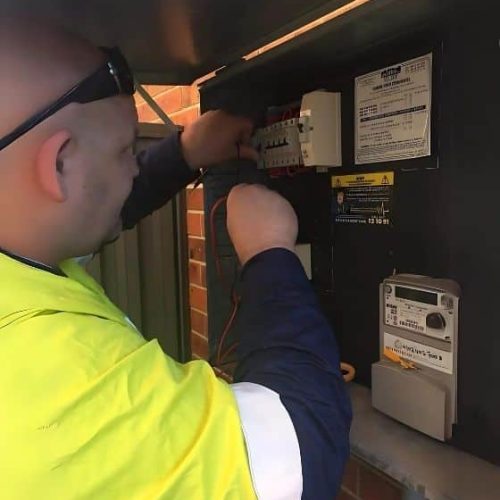
10. Always Use Licensed Electricians
- Hire licensed, qualified electricians
- Ask to see their licence
- Use professionals who understand Australian safety standards
Final Word: Common Sense + Professional Help
THE DOCTOR GETS IT DONE