Drain Relining/Patching
Drain Relining & Pipe Patching
Repair damaged underground drains without unnecessary excavation.
The Plumbing & Electrical Doctor provides trenchless drain relining and targeted pipe patching for suitable cracked, leaking or root-damaged drainage pipes.
Using CCTV drain inspection and modern relining technology, our licensed plumbers can identify damaged sections and determine whether the pipe can be repaired from the inside rather than fully excavated and replaced.
Upfront pricing. Licensed plumbers. Professional drain repair solutions.
40+ Years Experience
Licensed & Insured
24/7 Service
Fixed Pricing
Work Guaranteed
What Is Drain Relining?
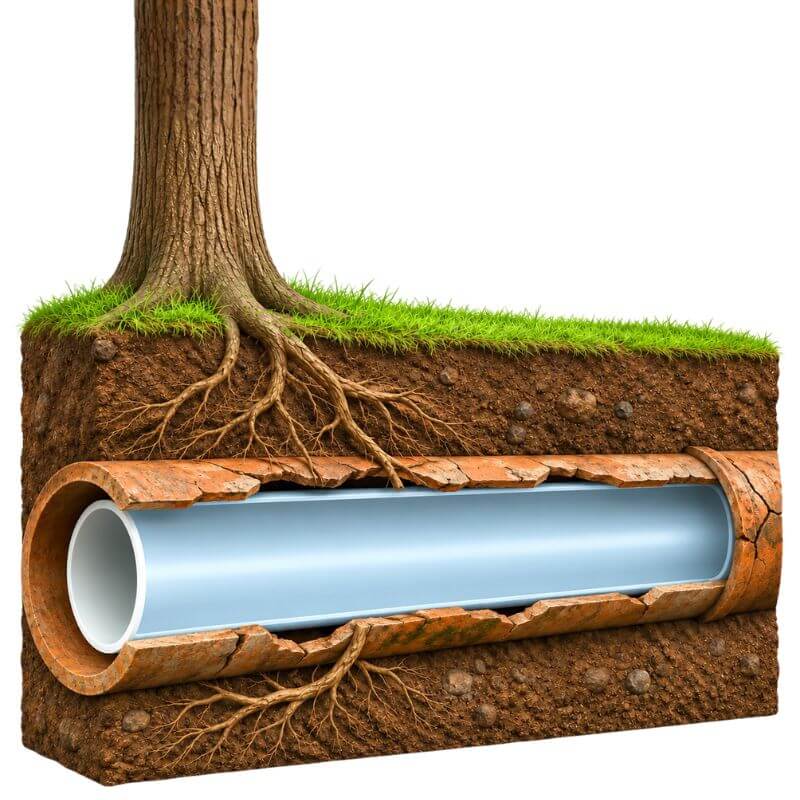
Drain relining is a trenchless pipe repair method that creates a new lining inside an existing damaged pipe.
Instead of excavating the entire drain, a specially prepared liner is positioned inside the affected section and cured to form a new internal surface.
Relining may be suitable for problems such as:
- Cracked drainage pipes
- Damaged pipe joints
- Tree-root intrusion through cracks or joints
- Localised deterioration
- Recurring blockages caused by pipe damage
- Leaking underground drains
- Sections of pipe that remain structurally suitable for relining
The pipe must first be inspected to determine whether relining is appropriate.
What Is Patch Relining?
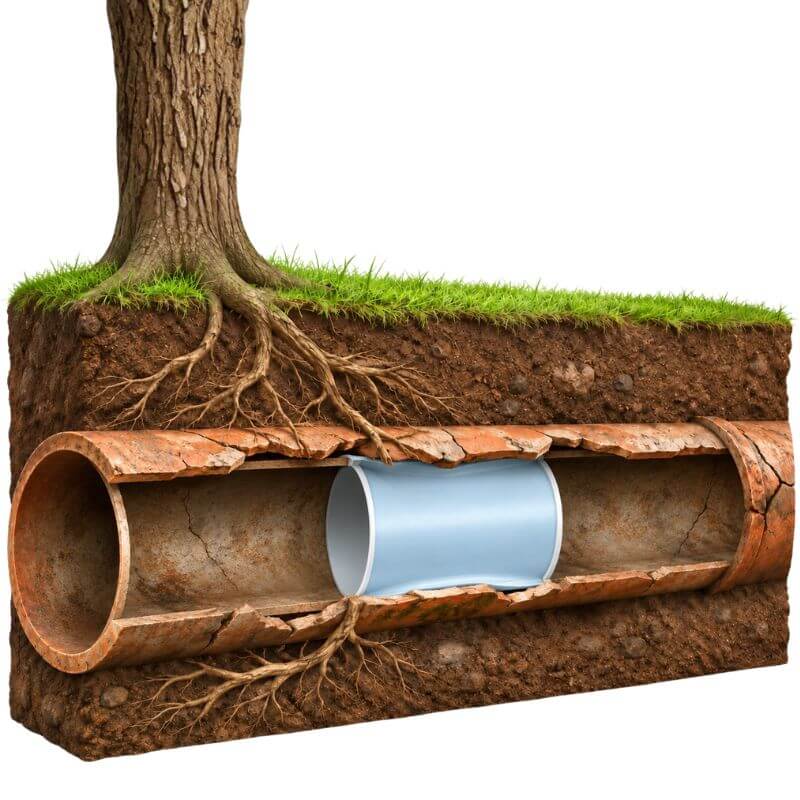
Patch relining is used when damage is limited to a smaller section of pipe.
Rather than lining a longer section, a targeted patch can be positioned over the damaged area to repair isolated cracks, joints or defects.
Patch repairs may be appropriate where:
- Damage affects only a short section
- A single joint has failed
- Root intrusion is entering through a specific defect
- The rest of the drain remains in reasonable condition
Our plumbers assess the drainage system before recommending either patch repair, longer-section relining or another repair method.
When Is Drain Relining a Good Option?
Drain relining may be worth considering when the pipe is damaged but does not require complete replacement.
Common situations include:
Roots often enter underground drains through existing cracks or damaged joints. Clearing the roots may restore flow temporarily, but if the point of entry remains damaged, the blockage can return. Where suitable, relining can repair the damaged section after the drain has been properly cleared and inspected.
Cracks can allow water to escape and surrounding soil or roots to enter the drainage system.
CCTV inspection can help locate the affected section before the appropriate repair is recommended.

When Drain Relining May Not Be Suitable
Relining is not the correct solution for every damaged drain.
Full or partial replacement may be required where:
- The pipe has completely collapsed
- Sections are badly deformed
- The drainage line has major structural failure
- The existing pipe cannot support a liner
- Multiple sections require extensive reconstruction
- Access or pipe condition makes relining impractical
If replacement is the better option, our plumbers will explain why.
Our Drain Relining & Patching Process

1. CCTV Drain Inspection

2. Drain Clearing & Preparation
3. Liner or Patch Placement
A prepared liner or repair patch is positioned inside the damaged section of pipe.
The exact method depends on the type, location and extent of the damage.

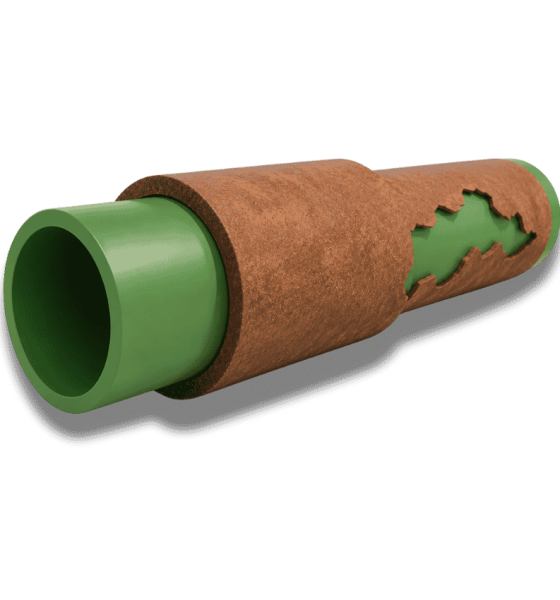
4. Curing
5. Final Inspection
Where appropriate, the repaired section can be reinspected to confirm that the repair has been positioned correctly and the drainage line is flowing properly.
Benefits of Trenchless Drain Relining
Less Excavation
Targeted Repairs
Suitable for Difficult-to-Access Pipes
Addresses the Damaged Pipe
Long-Term Repair Option

Drain Clearing, Relining or Replacement – What Do I Need?
The pipe is blocked but still structurally sound
→ Drain Clearing
Professional drain-clearing equipment is used to remove the obstruction and restore flow.
→ Drain Relining or Patching
The damaged section may be repaired internally without replacing the entire drain.
→ Drain Replacement
Full or partial replacement may be the better long-term solution.
Not sure which one you need?
Start with our complete Blocked Drain Services guide.

Signs Your Drain May Need More Than Clearing
A recurring blockage may be caused by underlying pipe damage rather than just debris.
Signs worth investigating include:
- The same drain repeatedly blocks
- Tree roots keep returning after clearing
- Several drains are affected
- CCTV inspection shows cracks or failed joints
- Water is escaping from underground pipework
- Sections of the property remain unusually wet
- The drain has previously required repeated clearing
- Older underground pipes are deteriorating
A professional inspection can help determine whether the drain simply needs clearing or whether repair work should be considered.
Why Choose The Plumbing & Electrical Doctor?
40+ Years of Plumbing Experience
The Plumbing & Electrical Doctor has been helping customers with plumbing and drainage problems for decades.
Licensed & Insured Plumbers
Our plumbers are qualified and insured to carry out professional drainage and pipe repair work. NSW Licence: 389600C ACT Licence: 20251449
CCTV Drain Diagnostics
Where appropriate, we use CCTV drain cameras to help identify the exact location and extent of underground pipe damage.
Upfront Pricing
We explain the recommended repair and pricing before approved work begins.
Repair Options Explained Clearly
Relining is not automatically recommended for every damaged drain. If clearing, patching, relining or replacement is the better option, we’ll explain the difference so you can make an informed decision.
Workmanship Guarantee
We stand behind the plumbing work we complete in accordance with the applicable service terms and conditions.
Drain Relining Across Our Service Areas
Our plumbing teams provide drain inspection and repair services across our core NSW and ACT service regions.
Depending on availability and the condition of the drainage system, relining or patch repair may be available in areas including:
For a blocked drain that first needs diagnosis or clearing, visit our Blocked Drain Services hub.

Frequently Asked Questions About Drain Relining
Is drain relining the same as replacing a pipe?
No. Relining repairs the inside of an existing pipe, while replacement removes and replaces part or all of the damaged drainage line.
The right option depends on the condition of the existing pipe.
Do you need to dig up the yard for drain relining?
Can relining repair tree-root damage?
Relining may be suitable where roots have entered through cracks or damaged joints and the underlying pipe remains suitable for repair.
The roots normally need to be removed and the pipe inspected before relining.
Do you clear the drain before relining?
How do you know where the pipe is damaged?
Can every damaged drain be relined?
Is patch relining different from full relining?
How long does drain relining take?
What happens if my drain is too damaged to reline?
Need a Damaged Drain Inspected?
If your drain keeps blocking or CCTV inspection has identified cracked or damaged pipework, talk to The Plumbing & Electrical Doctor about the available repair options.
We can inspect the drainage system and determine whether clearing, patch relining, trenchless repair or replacement is the appropriate solution.
Licensed plumbers. Upfront pricing. Professional drain diagnostics.
