Blog
Why Do I Run Out of Hot Water?
Common Causes (and How to Fix Them)
Nothing kills a winter morning faster than stepping into a hot shower… only for it to turn icy halfway through. One second you’re relaxed, the next you’re questioning your life choices.
If you keep running out of hot water, especially during colder months, you’re not alone. We see this issue daily across Canberra, Newcastle, the Central Coast, and the Hunter Valley, and in most cases, there’s a clear (and fixable) reason behind it.
Let’s break down why your hot water runs out, what’s normal, what’s not, and when it’s time to call in a professional.
The Most Common Reasons You’re Running Out of Hot Water
1. Your Hot Water Tank Is Too Small for Your Household
This is the big one, and the most overlooked.
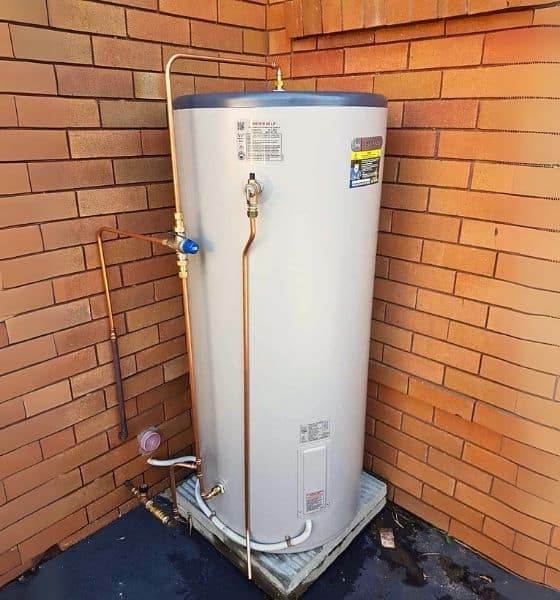
A household of 3–4 people typically needs at least a 250-litre storage tank, especially in winter. Anything smaller struggles to keep up with showers, laundry, and dishes back-to-back.
If your tank is undersized:
- Hot water runs out quickly
- Recovery time feels painfully slow
- Morning showers become a scheduling nightmare
Fix: Upgrade to a larger tank or consider switching to a continuous flow system if usage is high.
2. Cold Weather Increases Hot Water Demand (and Strains Your System)
Winter doesn’t just feel colder; it hits your hot water system harder.
During colder months:
- Incoming water is colder, so it takes longer to heat
- Showers are longer and hotter
- Heating elements work overtime
This combo can drain your system faster than it can recover.
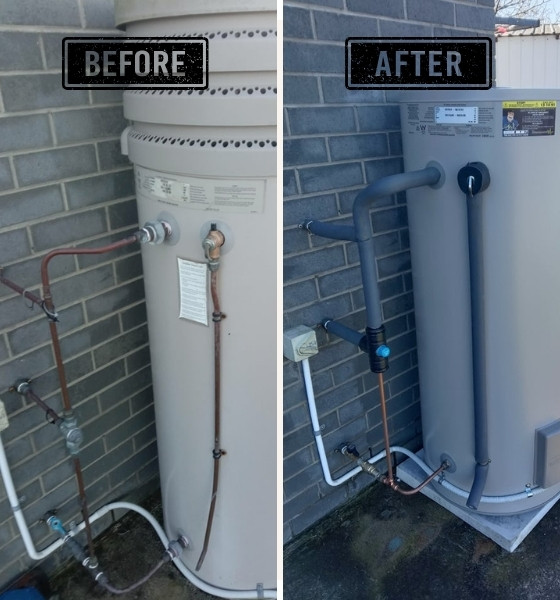
Fix: Reduce simultaneous usage where possible, or upgrade to a system designed for higher winter demand.
3. Off-Peak Tariffs Can Leave You Short
If your hot water system runs on an off-peak electricity tariff, it may only heat water once overnight.
That means:
- Once the tank is empty, you wait
- No reheating during the day
- Winter usage exposes the weakness fast
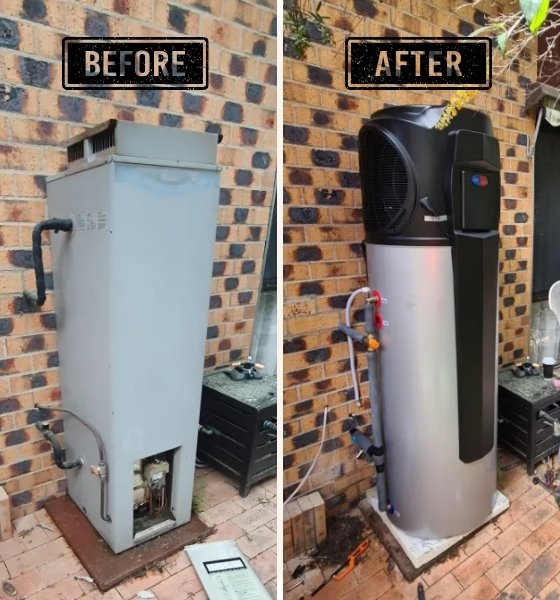
Fix: Consider switching tariffs or upgrading to a system that reheats on demand.
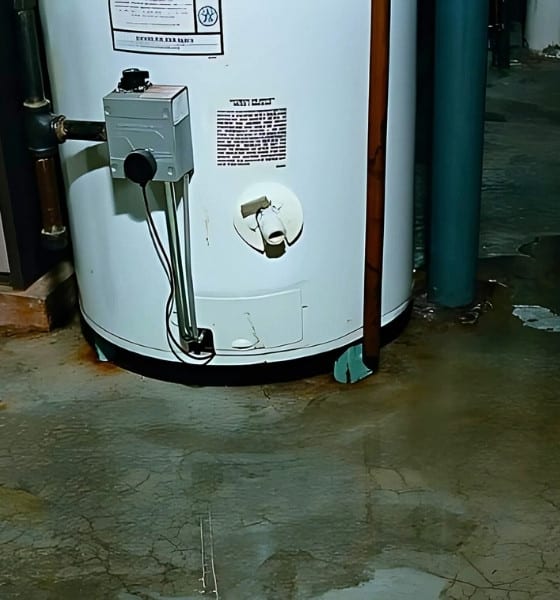
4. Faulty Components Are Limiting Hot Water Supply
Hot water systems rely on multiple parts working together. When one fails, performance drops.
Common culprits include:
- Faulty thermostat
- Burnt-out heating element
- Leaking pressure relief valve
- Corroded or leaking pipes
These issues often reduce water temperature or usable volume without fully cutting hot water, making them easy to miss.
Fix: Regular servicing every 2 years catches problems early and restores performance.
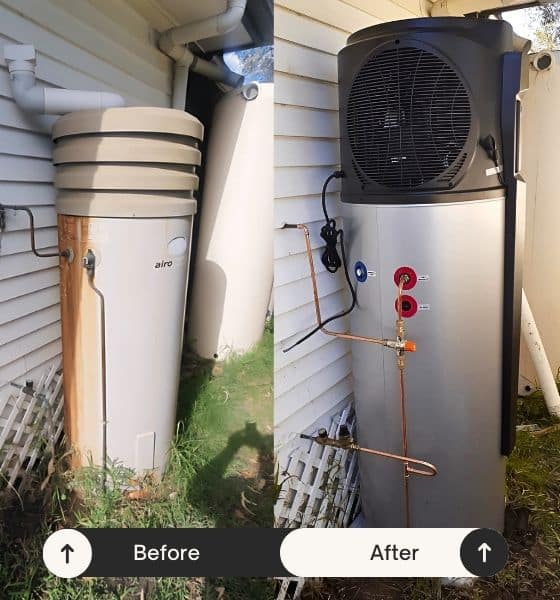
5. Your Hot Water System Is Simply Too Old
Most hot water systems last 8–12 years, depending on usage and maintenance.
As systems age:
- Efficiency drops
- Recovery time increases
- Repairs become more frequent (and expensive)
If your unit is over 10 years old, repairs often stop making financial sense.
Fix: Upgrading to a modern system; solar or continuous flow, can reduce running costs and eliminate shortages entirely.
Storage Tank vs Continuous Flow: Which Is Better?
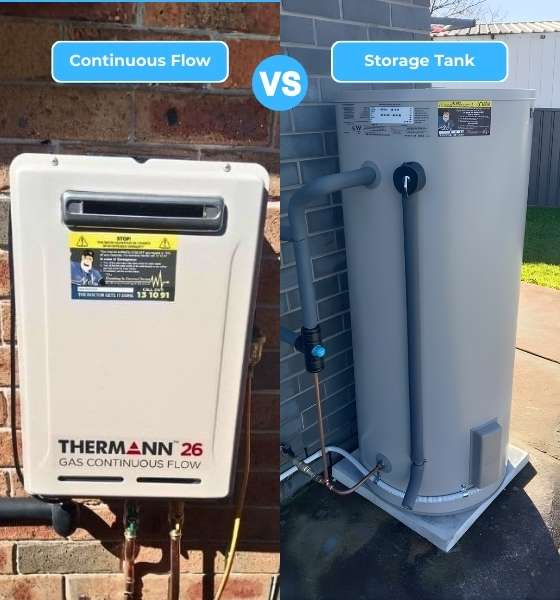
Storage Tank Systems
- Limited by tank size
- Can run out during heavy use
- Lower upfront cost
Continuous Flow (Instant) Systems
- Heat water on demand
- No storage tank
- Endless hot water when sized correctly
When to Repair vs When to Replace Your Hot Water System
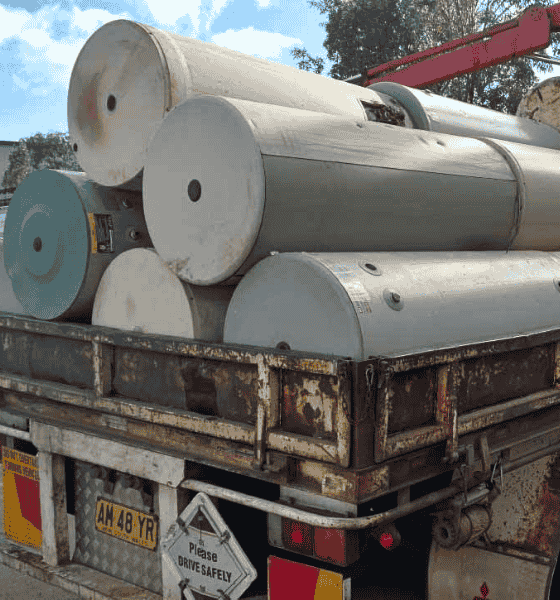
Repair if:
- The system is under 8 years old
- The issue is isolated (thermostat, valve, element)
- Performance was previously reliable
Replace if:
- The system is over 10 years old
- You’re running out of hot water regularly
- Repairs are becoming frequent
- Energy bills are creeping up
We’re big believers in fixing when it makes sense, but we’ll also tell you straight when replacement is the better call.
FAQs: Running Out of Hot Water
Why does my hot water run out so fast in winter?
Is it normal to run out of hot water every day?
Can a plumber increase my hot water capacity?
How often should my hot water system be serviced?
Is continuous flow hot water worth it?

Don’t Put Up With Cold Showers This Winter
If you’re constantly running out of hot water, it’s not something you should just “live with.” In most cases, the fix is straightforward—and the comfort upgrade is immediate.
Call The Plumbing & Electrical Doctor on 13 10 91
We service Canberra, Newcastle, Central Coast, and Hunter Valley, and we deal with hot water issues like this every single winter.
Want more seasonal advice? Check out our guide on “Expert Tips for the Cold Season” to keep your home running smoothly all winter long.
THE DOCTOR GETS IT DONE
• Licensed & Local • Fast, Reliable Service • 24/7 Emergency
General Plumbing & Electrical | Hot Water Systems | Blocked Drains | Gas Fitting & more. .